My Dog Is My Valentine Retro Review
As a designer who spends more time than I care to admit staring at stitch density charts and debating thread color palettes, I don’t just buy digital files; I evaluate them as potential finished products. When I first pulled up My Dog is My Valentine - Valentine Retro, my initial reaction wasn't about the sentiment—it was about the execution. In the world of T-Shirt Designs and Graphics, there is a fine line between a charming vintage aesthetic and a design that looks cluttered once it hits the hoop. This file sits comfortably on the charming side, but only if you understand how to treat it during the digitizing and stitching process.
The First Impression: Mood and Layout
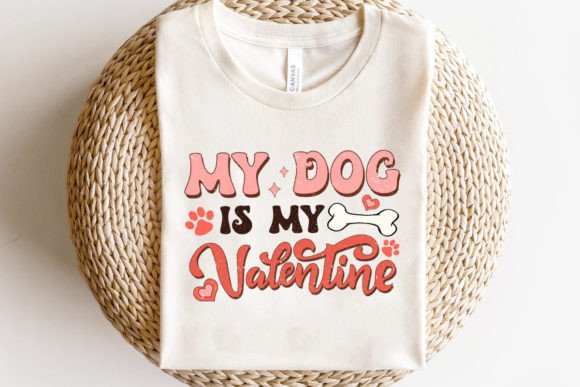
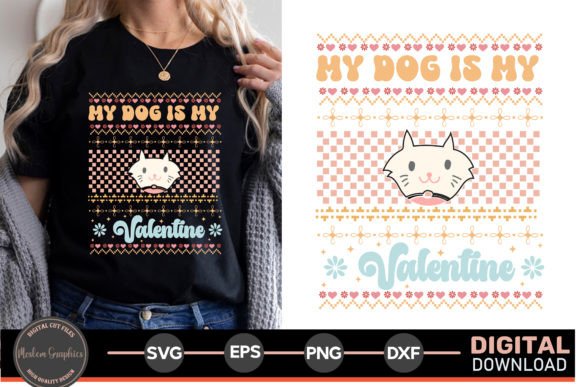
The title alone suggests a specific vibe, and the design delivers. It taps into that nostalgic, slightly kitschy energy that performs exceptionally well in the handmade market. The "Valentine Retro" descriptor isn't just marketing fluff here; it implies a color palette and a typographic style that feels warm, approachable, and timeless. For an embroidery project, this translates to high emotional resonance. Customers don't just buy a shirt with a dog on it; they buy a piece of their identity. This design speaks directly to pet lovers who view their dogs as family members, making it a powerhouse for personalized gifts.
Visually, the layout appears balanced enough to work across various mediums without feeling cramped. However, the retro style often relies on bold shapes and potentially intricate details to sell the "vintage" look. As a reviewer, my eye immediately went to the negative space. Does the design breathe? Can the machine distinguish between the different elements when stitched out? In many retro-style files, the detail level can become muddy if the stitch density isn't managed correctly. Here, the balance seems right—there is enough character to be interesting, but not so much noise that it loses definition on smaller garments.
Real-World Application: From Screen to Stitch
I recently used a similar aesthetic for a custom order involving embroidered patches and boutique tote bags, and I want to share how My Dog is My Valentine - Valentine Retro might perform in those same scenarios. Let’s talk about the sweatshirt. This is arguably the best use case for this type of graphic. The heavier fabric provides a stable canvas for the stitches, allowing the retro colors to pop without warping. Imagine a cream or heather grey crewneck with this design centered on the chest. It feels cozy, authentic, and perfectly suited for the holiday season or a Valentine’s Day launch.
But let’s look beyond apparel. Consider a baby onesie or a nursery pillow cover. The softness associated with retro designs pairs well with the tenderness of baby items. If you are an Etsy seller looking to expand your handmade product line, this design offers versatility. It works equally well on a kitchen towel for a housewarming gift or on a cap for a casual everyday carry item. The key is recognizing that this is not just a machine embroidery design; it is a versatile asset that can elevate multiple categories within your shop.
For commercial embroidery projects, the recognition factor is high. People love sharing photos of their pets. A well-executed embroidered patch featuring this design is highly "instagrammable." When customers see a finished product that captures the personality of their dog with such a clear, stylish theme, it builds trust in your brand. It shows you understand the nuance of what makes a design desirable—not just technically, but emotionally.
Where to Exercise Caution
While this design has strong potential, no file is perfect for every situation. There are specific contexts where My Dog is My Valentine - Valentine Retro might struggle if you aren't careful. First, avoid using this on small hoop sizes unless you have verified the scalability. Retro designs often contain fine lines or tiny text elements that can disappear or merge together if scaled down too far. If you are attempting a left-chest placement on a child’s garment, test the hoop size constraints rigorously.
Second, consider the fabric texture. Embroidery on textured fabrics like heavy waffle knits or bouclé can obscure the details of the design. The stitch density needs to be firm enough to stand up against the nap of the fabric, but if the design relies on subtle shading or thin outlines, it may get lost. Similarly, stretchy fabrics require excellent stabilizer support. Without proper backing, the tension from the satin stitch edges can pucker the material, ruining the clean lines that make this retro style appealing.
Dark fabrics present another challenge. If the original design assets rely on light-colored threads for contrast, ensure you have access to high-quality, opaque thread options. On dark backgrounds, poor thread coverage can make a premium design look cheap. Always inspect the thread colors in a mockup before committing to production.
Practical Designer Notes for Success
To get the most out of this file, you need to treat it with professional diligence. Do not assume that because it is a digital embroidery file available for instant download, it is ready to stitch without adjustment. Start by testing the design on scrap fabric that matches your final product in weight and composition. This allows you to check the stabilizer choice and adjust tension settings if necessary.
One of the most effective tools in a designer's kit is the black-and-white mockup. Convert the design to grayscale to check its readability. If the design loses its shape or becomes illegible in monochrome, it will likely struggle in color due to lack of contrast. This step helps you identify if the fill stitch areas are too dense or if the running stitch details are too sparse.
Also, take the time to review the included formats. You will receive a zip file containing SVG, PNG, EPS, and DXF formats. While these are standard for cutting machines and print-on-demand, remember that for true machine embroidery, you typically need a specific format compatible with your software (like PES, DST, or EXP). Ensure you know how to convert or utilize the provided vector files (SVG/EPS) in your digitizing software if your machine doesn't natively read them. This gives you control over the applique design aspects or any custom modifications you might want to make to better suit a client’s request.
Final Verdict
My Dog is My Valentine - Valentine Retro is a strong addition to any creator’s library. It strikes a balance between nostalgia and modern appeal, making it suitable for a wide range of custom apparel and gift items. Its success, however, depends entirely on your execution. By paying attention to fabric choice, stabilizer usage, and thread quality, you can transform this graphic into a high-value finished product that stands out in a crowded marketplace.
Whether you are a seasoned Etsy seller looking to refresh your Valentine’s collection or a hobbyist making a special gift for a friend, this design offers a solid foundation. Just remember to test thoroughly, respect the limitations of the medium, and always prioritize the tactile experience of the final piece. When done right, the result is not just an embroidered image—it’s a keepsake.