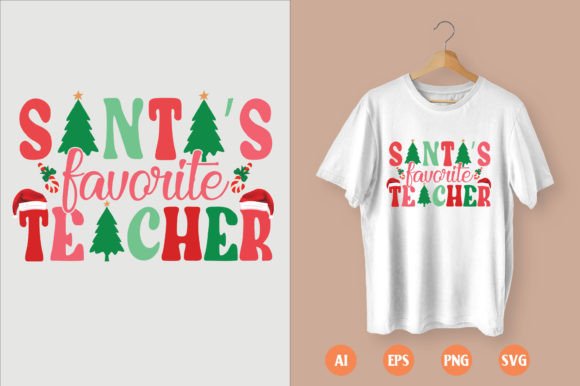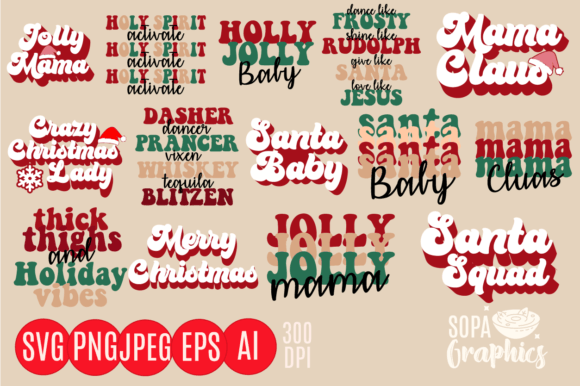
Merry Christmas Retro Holly Jolly Review
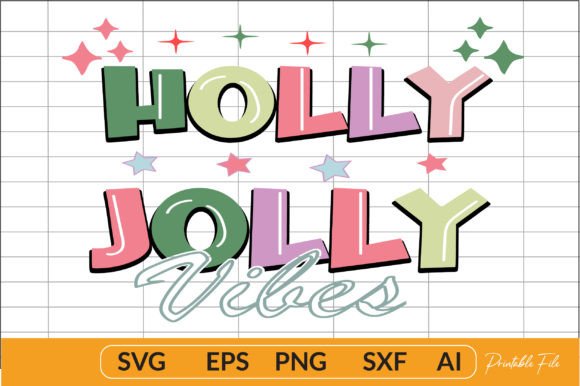
When I first opened the file for Merry Christmas Retro Holly Jolly, my immediate thought wasn't about the technical specs or the pixel count. It was about the vibe. In a sea of generic, over-stitched holiday designs that often look stiff and dated, this one caught my eye with its distinct retro personality. As someone who has spent years turning digital files into tangible, stitched products for clients and craft fairs, I know that a design's success lies in how it translates from screen to fabric. This piece feels like it belongs on a worn-in flannel shirt or a vintage-style kitchen towel rather than a high-tech performance jacket.
The mood is undeniably nostalgic. The typography and the holly elements suggest a cozy, mid-century aesthetic that resonates well with current trends in handmade goods. For the Etsy seller or small business owner looking to create a cohesive brand identity during the holiday season, this design offers a specific visual language. It isn't just "Christmas"; it is a specific *kind* of Christmas that implies warmth, tradition, and a touch of whimsy. When you are curating a collection of T-Shirt Designs or Graphics, having assets that evoke a clear emotional response is crucial, and this design delivers that immediately.
From Screen to Stitch: A Real-World Scenario
To truly understand the potential of Merry Christmas Retro Holly Jolly, let's walk through a practical application. Imagine you are preparing a custom order for a boutique client who runs a local coffee shop. They need embroidered aprons for their staff to wear during the December rush. You want something that stands out but doesn't scream "mass-produced." You decide to test this design on a heavy-duty canvas tote bag before committing to the aprons.
Placing the design in the center of the bag, the layout works surprisingly well. The retro font anchors the composition, while the holly accents add just enough texture without overwhelming the space. However, as an experienced designer, I had to pause and think about the stitching process. If I were using a standard satin stitch for the text, would it hold up against the friction of carrying groceries? Would the fill stitches be too dense for the canvas weave?
In this scenario, the design shines because of its balanced negative space. Unlike many clip art pieces that cram every inch with detail, this design allows the fabric to breathe. When stitched onto the bag, the finished product looks professional and intentional. Customers walking by at a craft fair will likely stop to admire the clean lines and the charming color palette. It elevates a simple tote bag into a premium handmade product. The key here is that the design respects the medium; it doesn't try to look like a photograph, which is often where embroidery fails. Instead, it embraces the unique texture of thread.
Where This Design Excels
This design is particularly versatile for various categories of embroidery projects. Its size and complexity make it ideal for larger surface areas where detail can be appreciated. Here are a few specific use cases where Merry Christmas Retro Holly Jolly performs exceptionally well:
- Sweatshirt Embroidery: The retro theme pairs perfectly with oversized hoodies or crewnecks. The soft fleece texture provides a great background for the design, making the colors pop without needing excessive contrast.
- Holiday Embroidery on Home Goods: Pillow covers and tea towels are natural homes for this style. The durability of the design ensures it can withstand washing, which is essential for items like kitchen towels that see daily use.
- Baby Embroidery: For personalized gifts like baby onesies or nursery decor, the playful yet classic nature of the design is safe and appealing. It avoids being too aggressive or overly complex for delicate fabrics.
- Embroidered Patches: If you have a machine capable of creating patches, this design has strong outlines and clear shapes that work well when trimmed and backed. It creates a distinctive badge for jackets or bags.
- Commercial Embroidery: For small shop owners selling merchandise, this design offers a cohesive look that can be used across different product lines, from tote bag designs to branded stickers.
Points of Caution and Technical Considerations
While the aesthetic is strong, no design is perfect for every situation. As a reviewer, I must highlight where Merry Christmas Retro Holly Jolly might require extra attention. If you are working with a small hoop size, such as those used for hats or caps, the lettering might become cramped. Curved surfaces like baseball caps can distort straight lines if the digitization isn't optimized for curvature. In these cases, the text might lose its legibility, which is a critical failure point for any commercial item.
Furthermore, consider the fabric texture. On thin or stretchy fabrics, dense stitch areas can cause puckering. If you plan to use this on a lightweight t-shirt, you will need a high-quality cut-away stabilizer to prevent the design from pulling the fabric. Dark fabrics present another challenge; while the retro style often uses bold colors, ensuring the thread colors provide sufficient contrast against a black or navy background is vital. Always check your thread colors against your fabric swatch before running a full production batch.
Another area to watch is the density of the stitches. If the original file has tight fill stitches, testing on scrap fabric is non-negotiable. You don't want to end up with a stiff patch that feels uncomfortable to the wearer. For items that require frequent washing, like custom apparel or aprons, ensure the design doesn't have tiny, loose details that could snag or unravel over time. The "retro" look often relies on solid blocks of color, so verify that the stitch density supports this rather than trying to mimic intricate gradients.
Designer Notes for Success
Before you start stitching, there are several practical steps to ensure your final product meets professional standards. First, always review the stabilizer requirements. Different fabrics demand different support systems, and skipping this step is the most common cause of failed embroidery. Second, inspect the small details. Zoom in on the file to see if any lines are too thin to be reproduced accurately by your machine. If the design includes tiny text or fine lines, consider simplifying them slightly for better stitch clarity.
It is also wise to test the design in black and white mockups. Sometimes, a design looks colorful and vibrant on screen but loses definition when converted to grayscale. This helps you assess the contrast and overall balance of the composition. Additionally, compare how the design looks on both light and dark backgrounds. The versatility of Merry Christmas Retro Holly Jolly depends on its ability to adapt to different colorways.
If you are a craft business owner or an Etsy seller, remember to confirm the licensing terms before selling finished items. Even though this is a digital embroidery file intended for creative projects, commercial rights vary. Ensure you have the permission to sell the physical products created with this design. Finally, when creating printable mockups for your listings, show the design on various products to give customers a realistic idea of the finished product. This builds trust and reduces returns.
In conclusion, Merry Christmas Retro Holly Jolly is a standout asset for designers seeking a blend of nostalgia and modern utility. It brings a specific character to embroidery files that can elevate a simple gift into a cherished keepsake. Whether you are crafting a personal personalized gift for a loved one or building a line of small shop products, this design offers a reliable foundation. Just remember to respect the mechanics of embroidery—test, stabilize, and observe—and you will find that this retro gem fits seamlessly into your creative workflow.