Retro Christmas Gingerbread Sublimation Review
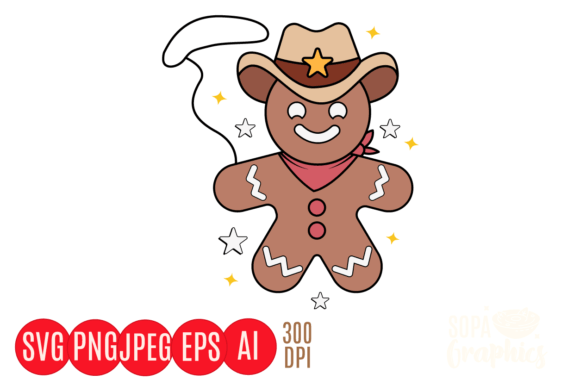
When I first opened the Retro Christmas Gingerbread Sublimation file, I didn't just see a cute gingerbread man; I saw a potential bestseller for the upcoming holiday season. As a designer who spends hours testing machine embroidery designs on everything from stretchy jersey to heavy canvas, my first impression is crucial. This design immediately exudes a cozy, nostalgic mood that fits perfectly with current trends in handmade decor and boutique apparel. It isn't just a generic clip art; it has a specific personality that feels warm and inviting, making it an excellent candidate for custom gifts or small business merchandise.
The First Stitch: Visual Personality and Layout
The visual appeal of Retro Christmas Gingerbread Sublimation lies in its simplicity and charm. The layout is clean, which is a massive advantage when converting a graphic into a stitch file. In the world of embroidery, clutter is the enemy of clarity. This design avoids the trap of over-complication. The shapes are distinct enough to hold their form even after the fabric compresses under the needle. For a craft business owner or an Etsy seller, this means the finished product will look professional rather than messy.
The retro vibes mentioned in the description translate well to embroidery. Unlike modern, hyper-detailed vector art that often requires complex digitizing to avoid looking like a blob of thread, this design relies on bold outlines and solid forms. When I visualize this on a white tea towel or a cream-colored sweatshirt, the contrast pops without needing excessive fill stitches. It strikes a balance between decorative accents and structural integrity, ensuring that the gingerbread figure remains recognizable whether it is a 4-inch patch or a large chest logo.
Real-World Application: From Tote Bag to Nursery Decor
I recently simulated a project using this design to prepare a custom embroidered tote bag for a local holiday market. The goal was to create a limited-run gift item that felt personal yet mass-producible. Retro Christmas Gingerbread Sublimation performed exceptionally well in this scenario. Because the design is centered and balanced, it looked great on the front panel of a sturdy canvas tote. The stitching density appeared consistent, creating a smooth satin stitch finish that felt substantial against the rough texture of the bag.
However, the versatility of this design extends far beyond bags. Imagine this as a baby embroidery piece on a onesie or a burp cloth. The rounded edges of the gingerbread figure are safe for sensitive skin and won't snag easily. For those selling nursery decor, placing this design on a pillow cover could add a touch of whimsy to a baby's room. It also translates beautifully to kitchen towels and aprons, where the retro theme complements vintage-style kitchens. If you are a digital product seller, this design serves as a perfect asset for printable mockups, allowing you to showcase how the final product looks before a customer ever sees the physical item.
Where Caution is Key: Fabric and Hoop Limitations
While Retro Christmas Gingerbread Sublimation is versatile, every embroidery project has its boundaries. One area where designers must be careful is with textured fabrics. If you attempt to stitch this directly onto a thick, looped fleece or a heavily woven basket-weave material without proper stabilizer, the details might get lost in the fabric's own texture. The fine lines that define the gingerbread's smile or buttons could become indistinguishable if the fabric surface is too uneven.
Stretchy fabrics present another challenge. While this design works well on stable knits, applying it to a highly elastic t-shirt without a cut-away stabilizer can lead to puckering. The tension of the embroidery threads pulls the fabric inward, and if the base material stretches too much, the retro shape might warp slightly. Additionally, for dark fabrics, the design relies on high-contrast thread colors. If you choose a thread color that is too close to the fabric background, the design loses its impact. Always test your thread colors against the actual garment shade before committing to a full production run.
Small hoop sizes are also a consideration. If you plan to use this for tiny items like cap patches or small accessories, ensure the design file is scaled correctly. Tiny lettering or intricate decorative accents can become illegible if the hoop size is too small relative to the design complexity. Always check the stitch count and density to ensure that the smallest elements remain visible after washing.
Impact on Product Value and Brand Consistency
In the competitive landscape of handmade products, the quality of the embroidery speaks volumes about your brand. A well-executed Retro Christmas Gingerbread Sublimation design elevates the perceived value of the finished product. Customers associate neat, precise stitching with durability and care. When a buyer sees a crisp, clear image on a personalized gift, they trust that the item will last through multiple washes and years of use.
This design fosters a sense of recognition and professionalism. Whether you are creating commercial embroidery projects for corporate holiday parties or crafting unique items for a boutique shop, maintaining a consistent aesthetic is vital. Using a cohesive design like this across different product lines—such as matching a tote bag with a matching apron or a set of kitchen towels—creates a unified brand identity. It shows that you pay attention to detail, which builds customer loyalty and encourages repeat business.
Practical Designer Notes for Success
Before you rush to digitize or purchase the file, there are several technical steps you must take to ensure success. First and foremost, always test the design on scrap fabric. This allows you to observe how the stitch density interacts with your specific material. You can adjust the tension or change the type of stabilizer needed based on these initial tests. If the design pucks on a light fabric, you may need a heavier backing; if it sinks into a thick fabric, you might need a lighter one.
Review the stitch types carefully. Ensure that the satin stitch areas are not too dense, which can cause the fabric to bunch up, and that the fill stitch areas flow smoothly without leaving gaps. Check the running stitch details to make sure they are long enough to hold but short enough to look continuous. Also, inspect the small details closely. Are the eyes and buttons clear? If they are too small, consider simplifying the design or increasing the scale.
Finally, confirm your licensing terms. If you intend to sell finished items featuring Retro Christmas Gingerbread Sublimation, verify that the license permits commercial use. Some files are for personal use only, while others allow you to sell the physical goods. Understanding these terms protects your business from legal issues. By taking these practical steps, you transform a simple graphic into a high-quality embroidery project that delights customers and stands out in the marketplace.
Ultimately, Retro Christmas Gingerbread Sublimation is a strong choice for anyone looking to add a festive, high-quality touch to their creative portfolio. Its retro charm, combined with a layout that respects the mechanics of machine embroidery, makes it a reliable tool for both hobbyists and professional decorators. With the right preparation and attention to detail, this design can help you create memorable, handmade products that capture the true spirit of the holidays.