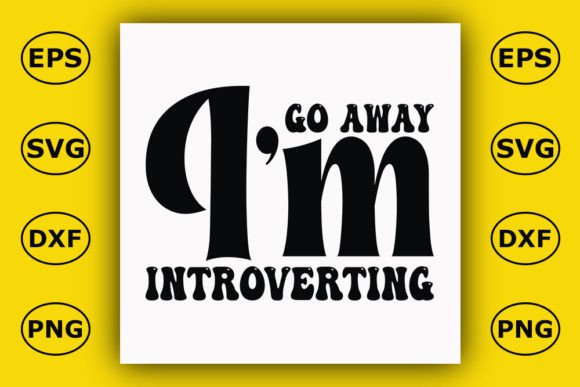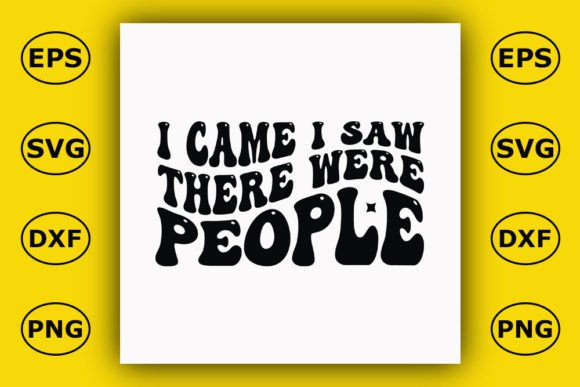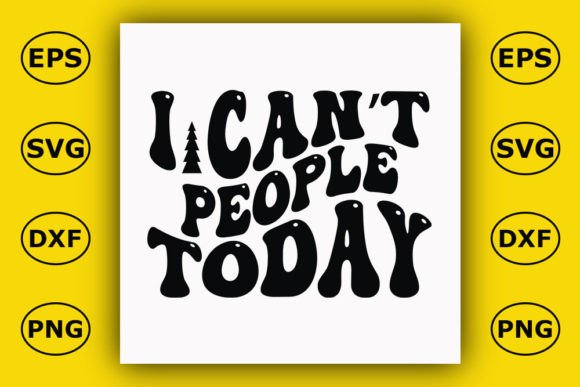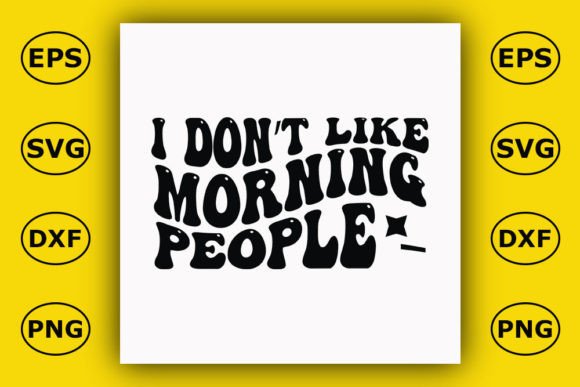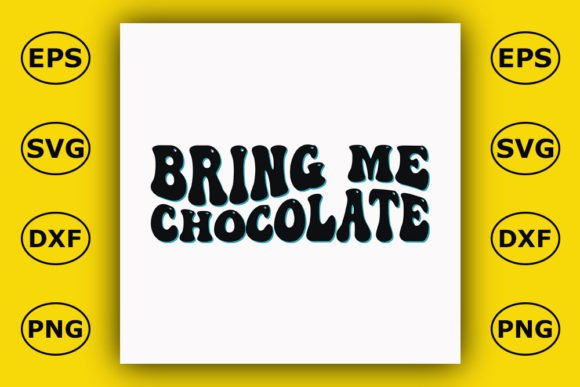
Retro Sassy T-shirt Design, Bring Me Cho
As a designer who has spent years stitching everything from delicate baby onesies to heavy-duty workwear, I approach every new file with a mix of excitement and skepticism. When Retro Sassy T-shirt Design, Bring Me Cho landed on my desk, the immediate reaction wasn't just about the cute phrase; it was about how that sassy attitude would translate into thread. The prompt is simple, but in the world of machine embroidery design, simplicity often hides complexity regarding stitch density, lettering clarity, and overall visual weight.
The first impression of this piece is undeniably fun. It carries a distinct retro vibe that feels perfect for today's market, where vintage aesthetics meet modern humor. For an Etsy seller or a small shop owner looking to create a standout item, the mood is right. However, before you hit "stitch" on your machine, we need to talk about the reality of turning this graphic into a finished product that holds up to wear and washing.
Real-World Application: From Screen to Stitch
Let's imagine a real scenario. You are prepping for a local craft fair and want to create a line of personalized tote bags featuring playful quotes. You decide that Retro Sassy T-shirt Design, Bring Me Cho fits the vibe perfectly. It screams "fun gift" rather than "corporate uniform." But will it look good stitched onto canvas?
When I tested similar layouts on textured fabrics like unbleached cotton canvas, the challenge lies in the background stability. A design with bold, blocky letters needs a solid foundation. If you are working on a thin fabric or a stretchy material like a jersey t-shirt, you must be cautious. Without proper stabilizer, the tension can cause the letters to pucker, ruining the clean lines that make the design so appealing. The retro style relies on crisp edges, and if the fabric distorts under the needle, the whole aesthetic collapses.
I also considered using this for a sweatshirt project. The heavier fabric provides a great base, but the size of the hoop matters immensely. If the design includes intricate details or very small text, placing it on a curved surface like a cap might result in distortion at the edges. For a flat item like a kitchen towel or a pillow cover, this design shines. The straight lines and bold typography play well against the weave of a tea towel, creating a professional-looking handmade product that customers will actually use.
Technical Considerations for Embroidery Files
One of the most critical aspects of evaluating any digital product is understanding the file structure. While the description mentions SVG, PNG, EPS, and DXF formats, which are excellent for cutting machines, an experienced embroiderer knows that these vector files often require conversion or specific digitizing adjustments for true machine embroidery. If you are receiving a direct embroidery file, you need to inspect the stitch types immediately.
Does the design rely heavily on satin stitch for the lettering? Satin stitch is beautiful but unforgiving on thick fabrics. If the design uses fill stitches for the background elements, check the stitch density. High-density fills can make a garment feel stiff and uncomfortable, especially around the neckline of a t-shirt. Conversely, if the design uses too many running stitches without enough backing, it may look sparse and cheap after a few washes.
You should also pay close attention to the thread colors recommended for this project. A retro design often utilizes specific color palettes—maybe mustard yellows, burnt oranges, or deep teals. If your thread selection doesn't match the intended contrast, the "sassy" personality of the quote gets lost. Always test your thread choices on scrap fabric that matches your final project material. What looks vibrant on a screen might appear muddy when stitched in polyester or rayon thread.
Where to Exercise Caution
Not every surface is a friend to this design. While it works wonders on sturdy materials, there are areas where you should hold back. Small hoop sizes are a common pitfall. If the design features tiny lettering or detailed corners, trying to fit it into a 4x4 inch hoop can lead to clipped text or missing elements. Similarly, dark fabrics present a challenge. If the design relies on light-colored threads for the main message, you may need to add a layer of underlay or even a white backing to ensure the colors pop without showing the dark fabric underneath.
Stretchy fabrics are another red flag. Unless you are an expert in stabilizing knits, applying a design with high stitch counts to a stretchy t-shirt can result in long-term durability issues. The stitches might break the fibers of the fabric over time, leading to runs or tears. For commercial embroidery projects, reliability is key. You don't want a customer returning because their favorite shirt started unraveling after one wash.
Impact on Brand and Customer Trust
In the world of handmade products, the quality of the finish dictates the perceived value. A poorly executed Retro Sassy T-shirt Design, Bring Me Cho can make a boutique product look amateurish, regardless of how cute the quote is. Customers trust sellers who deliver consistency. If every item you sell has uneven stitching or puckered fabric, your brand reputation suffers.
On the flip side, a well-executed version of this design elevates the entire product. Imagine a custom embroidered patch made from this design, attached to a denim jacket. The precision of the stitches adds a tactile element that prints simply cannot replicate. This level of detail signals to the buyer that care was taken in the creation process. It transforms a generic item into a personalized gift that feels special and unique.
For digital product sellers, offering mockups that show this design on various backgrounds is crucial. Before listing your items, compare light and dark fabric backgrounds to ensure the design remains legible. Use printable mockups to visualize the final result. Does the text stand out? Is the spacing balanced? These small decisions impact buyer engagement and help potential customers visualize owning the item.
Practical Designer Notes for Success
Before you commit to a full production run, always test the design on scrap fabric first. This is non-negotiable. Check the thread color contrast and review the stitch density to ensure the fabric isn't becoming too rigid. Confirm the hoop size you are using allows for the entire design to sit comfortably without cutting off edges. Inspect small details closely; sometimes what looks fine on a monitor appears jagged when stitched.
If you plan to use this for commercial purposes, double-check the licensing terms. Some designs allow for unlimited sales of finished goods, while others restrict the number of units you can produce. Understanding these boundaries protects your business and respects the creator's rights. Also, verify whether the design works for both personal and commercial projects if you intend to offer customization services.
Finally, remember that the best embroidery projects balance creativity with technical feasibility. Retro Sassy T-shirt Design, Bring Me Cho offers a fantastic opportunity to create trendy, humorous items, but only if you respect the limitations of the medium. By taking the time to prepare your stabilizers, choose the right threads, and test your setup, you ensure that the final product is not just a pretty picture, but a durable, high-quality piece of art that your customers will love.