Retro Vintage Baseball Player Design Review
When I first opened the file for the Retro Vintage Baseball Player Design, my immediate reaction was one of nostalgia. It isn't just a graphic; it feels like a piece of history waiting to be stitched. As someone who has spent years evaluating machine embroidery design files for both personal hobby projects and commercial small business ventures, I know that the difference between a good digital asset and a great finished product often lies in the details. This particular Graphics file falls squarely into the category of "T-Shirt Designs," but its potential extends far beyond standard apparel. In this review, I will walk you through how this design performs when moved from the screen to the hoop, focusing on real-world application for crafters, Etsy sellers, and boutique owners.
The First Stitch: Visual Personality and Mood
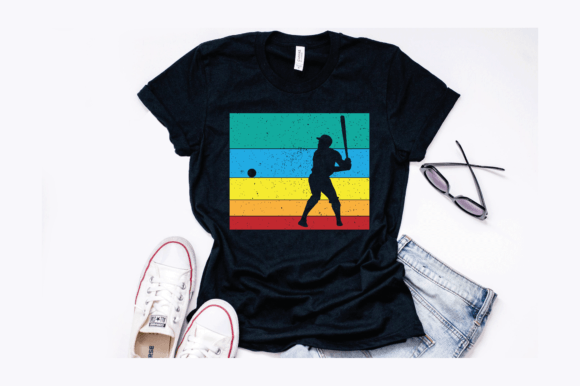
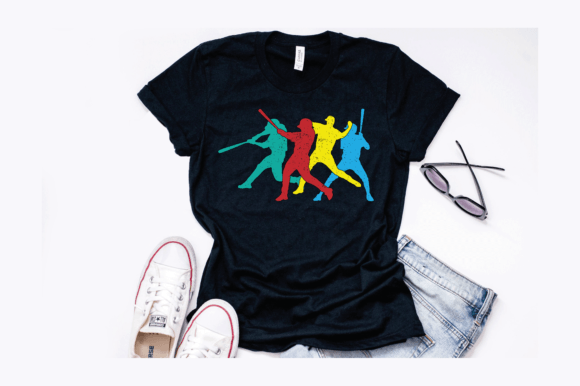
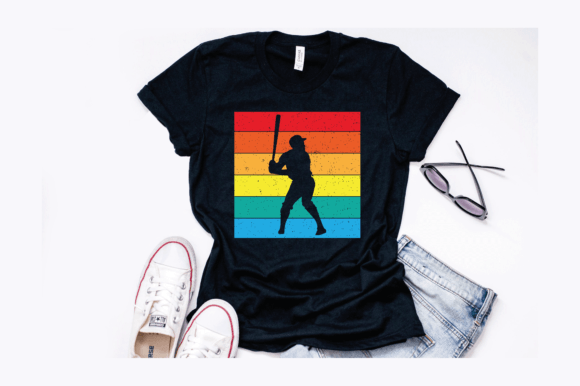
The moment you preview the Retro Vintage Baseball Player Design, it exudes a specific kind of warmth. The aesthetic is undeniably vintage, likely drawing inspiration from mid-century sports memorabilia or classic team logos. For an embroiderer, this mood is crucial because it dictates the entire vibe of the final piece. Unlike modern, sharp-edged vector art that can sometimes feel sterile when stitched, this design invites texture. It suggests a worn-in jacket, a well-loved tote bag, or a cherished family heirloom.
The layout appears balanced, which is the first sign of a well-constructed embroidery file. There is a clear focal point—the player figure itself—surrounded by complementary elements that frame the image without overwhelming it. When I think about where this fits best, my mind goes immediately to custom apparel. However, do not limit your imagination to just shirts. The retro theme pairs beautifully with canvas materials, making it an ideal candidate for a tote bag design or a durable apron for a home baker. The visual personality here is friendly yet professional, a combination that builds trust with customers browsing handmade marketplaces.
Real-World Application: From Screen to Fabric
Let's imagine a scenario. You are preparing inventory for a local craft fair or fulfilling a rush order for a client who wants a personalized gift for their son's little league team. You decide to use the Retro Vintage Baseball Player Design on a heather grey sweatshirt. This is a classic choice, but the execution depends entirely on how the design handles the fabric texture.
In this context, the design shines. The vintage style complements the soft, slightly textured look of fleece and cotton blends. If you were to switch to a baby item, such as a onesie or a blanket, the design's approachable nature would make it perfect for a nursery decor project. The retro theme adds a touch of whimsy that parents love, turning a simple garment into a statement piece. Similarly, for a holiday gift, placing this design on a kitchen towel or a pillow cover creates a cozy, festive atmosphere that feels more personal than mass-produced items.
For those running a small shop, the versatility of this embroidery project is a major selling point. You can create a cohesive brand line by using the same design across different products—a cap for the coach, a patch for the players, and a mug for the fans. The design acts as a unifying element, reinforcing brand consistency. When customers see the same high-quality finished product repeated across various items, it signals professionalism and attention to detail. It elevates the perceived value of your handmade product, allowing you to charge a premium for what is essentially a digital asset turned physical reality.
Technical Considerations and Potential Pitfalls
While the artistic vision is strong, every experienced designer knows that the devil is in the stitching. Before you commit to a large production run, you must consider the technical limitations of the Retro Vintage Baseball Player Design. One area that requires careful attention is stitch density. If the original file uses heavy fill stitches, it might become stiff and difficult to wear on thin fabrics like a t-shirt made of 100% lightweight cotton. On the other hand, if the design relies too heavily on satin stitches for fine details, it could lose definition on larger garments.
Another critical factor is the placement surface. Curved surfaces, such as baseball caps, present a unique challenge. While the design looks great flat, the curvature of a hat can distort certain angles. If the design includes tiny lettering or intricate corners, these elements might get lost or distorted during the hooping process. I strongly advise testing the design on scrap fabric first to see how the stitch density interacts with the specific material you plan to use. If you are working with stretchy fabric, you will need to ensure you are using the correct type of stabilizer to prevent puckering, which can ruin the clean lines of the vintage aesthetic.
Color contrast is also paramount. The retro theme often relies on specific color palettes—perhaps faded reds, navy blues, or cream whites. If you attempt to stitch this on a dark background without proper underlay or thread selection, the design may lack the pop it needs to stand out. Conversely, on very light fabrics, some shadow effects might disappear. Always inspect the design in black and white mockups to ensure the shapes hold up regardless of the thread colors you choose. This step is essential for maintaining the integrity of the embroidery project.
Practical Tips for Success
To ensure your Retro Vintage Baseball Player Design delivers the quality your customers expect, follow these practical guidelines. First, verify the hoop size requirements. A design that looks perfect in a 4x4 hoop might need a larger area to maintain its proportions. Second, always check the licensing terms before selling finished items. Some digital embroidery file creators allow commercial use, while others restrict it to personal gifts. Confirming these details upfront protects your craft business from legal issues.
If you are creating an applique design version of this, pay close attention to the edge finishing. Satin stitch edges should be tight and even to prevent fraying, especially on items that will undergo frequent washing. For those selling on platforms like Etsy, high-quality photos are key. Use printable mockups that show the design on different backgrounds to help buyers visualize the final result. Remember, the goal is to sell the feeling of the product, not just the image.
Finally, don't forget to test the durability. Embroidered patches or items intended for daily wear need to withstand the rigors of washing. Ensure your thread choices are colorfast and that the stitch density is sufficient to keep the design intact over time. By taking these steps, you transform a simple Graphics file into a reliable asset for your commercial embroidery work.
Ultimately, the Retro Vintage Baseball Player Design is a versatile and charming addition to any designer's library. It bridges the gap between nostalgic charm and modern craftsmanship. Whether you are a hobbyist looking to make a special birthday gift or a seasoned entrepreneur expanding your small shop product line, this design offers a solid foundation for creativity. Just remember to respect the technical nuances of embroidery, test thoroughly, and let the vintage spirit guide your stitching. With the right approach, this design can become a standout feature in your portfolio, delighting customers and building your reputation for quality.