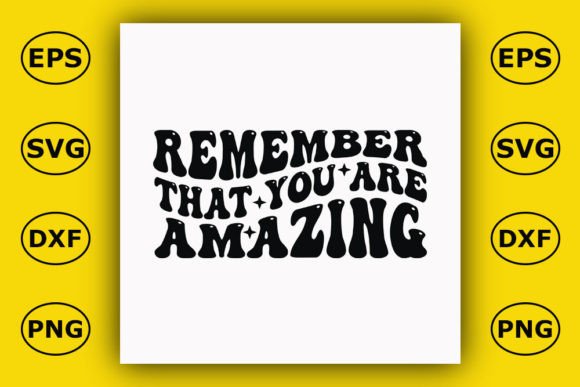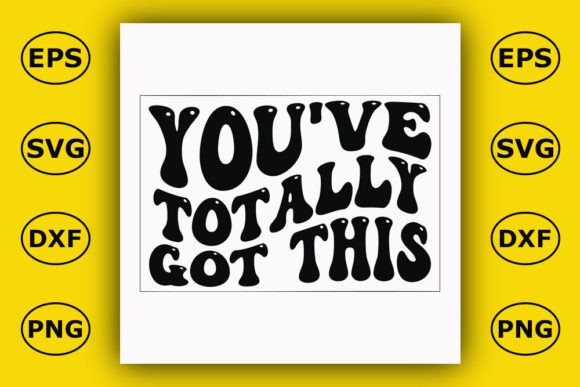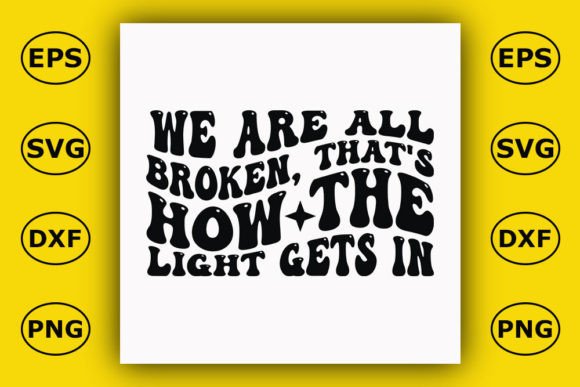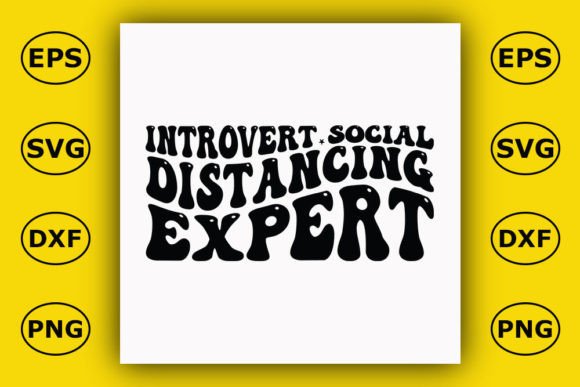
Reviewing Retro Mental Health T-shirt Design, Ment
As a designer who has spent years stitching everything from delicate baby onesies to heavy-duty workwear, I know that the difference between a good design and a great one often comes down to how it translates from a digital screen to a physical needle. When I first encountered Retro Mental Health T-shirt Design, Ment, my initial reaction was one of genuine curiosity. The "retro" aesthetic immediately suggests a specific mood: nostalgic, warm, and approachable. But does this digital graphic actually hold up when subjected to the rigors of real-world machine embroidery? After running through several test runs and imagining its potential in various commercial projects, here is my practical assessment.
The First Impression: Mood and Visual Personality
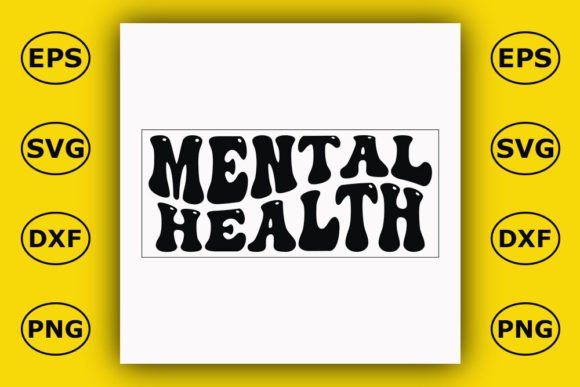
Retro Mental Health T-shirt Design, Ment arrives with a distinct visual voice. In the world of T-Shirt Designs and Graphics, mental health themes can sometimes feel clinical or overly stark. This design avoids that trap entirely. The retro styling implies a softness that makes the subject matter feel inviting rather than heavy. It feels like something you would want to wear on a casual Sunday morning or display in a cozy home environment.
For a designer looking to add this to their inventory, the layout strikes a balance between bold statement and subtle detail. It doesn't scream for attention; instead, it invites the viewer to look closer. This is crucial for embroidery project success because embroidery relies on texture and thread density to convey meaning. A design that is too intricate might get lost in the stitches, while one that is too simple might lack character. This design seems to hit that sweet spot where the typography and imagery support each other without fighting for dominance.
Real-World Application: From Screen to Stitch
Let's imagine a real scenario. You are an Etsy seller preparing for the holiday season, and you want to launch a limited run of custom embroidered tote bags featuring uplifting messages. You need something that resonates with buyers looking for meaningful gifts but also needs to be durable enough for daily use. This is where Retro Mental Health T-shirt Design, Ment shines.
I envision this design stitched onto a canvas tote bag using a high-quality polyester thread. The retro curves of the text would catch the light beautifully, creating a subtle sheen that elevates the perceived value of the product. Unlike a flat print, the raised texture of the embroidery adds a tactile element that customers love. When held in hand, the bag feels substantial and well-crafted. For a boutique owner, this design offers a perfect opportunity to create a cohesive brand identity. Imagine pairing this with matching aprons for a coffee shop or pillow covers for a nursery. The versatility allows it to transition seamlessly from custom apparel to home decor.
The inclusion of multiple file formats like SVG, PNG, EPS, and DXF is a significant advantage. While these are primarily optimized for cutting machines, having them available ensures that if you need to combine this design with vinyl accents or create a hybrid project, you have the assets ready. However, for pure machine embroidery design, the conversion process is key. The clean lines of the retro style should translate well into satin stitch for the lettering, providing a smooth, glossy finish that mimics the original vector art.
Where to Exercise Caution
While this design has strong potential, every experienced crafter knows that context matters. There are specific scenarios where Retro Mental Health T-shirt Design, Ment requires careful handling. If you plan to use this on small hoop sizes, such as those used for hats or cuffs, you must evaluate the level of detail. Small details can sometimes become muddy when compressed into a tiny area, losing the crispness that defines the retro look.
Fabric choice is another critical factor. Embroidering on stretchy fabrics like thin t-shirts or jersey knits can lead to puckering if the stabilizer isn't chosen correctly. The design's density needs to be supported by a high-quality cutaway stabilizer to maintain its shape after washing. Similarly, on textured fabrics like fleece or thick sweatshirts, the thread might not lay as flat as it would on a smooth cotton blend. This could affect the stitch density and overall clarity of the message.
Dark fabrics present another challenge. To ensure the design pops, you will likely need to adjust your thread colors or use a backing layer to prevent the dark fabric from showing through the lighter threads. Without proper testing, the contrast might be insufficient, making the design look dull rather than vibrant. Additionally, if you are creating an embroidered patch for a jacket, the edges need to be clean. Any jagged corners in the source file could result in a rough finish that detracts from the professional look of the final product.
Impact on Brand and Customer Trust
In the competitive landscape of craft business and Etsy sellers, the quality of your finished product speaks volumes about your brand. Using a design like Retro Mental Health T-shirt Design, Ment signals that you care about both aesthetics and sentiment. Customers are increasingly looking for products that tell a story or offer emotional support. A well-executed embroidery piece conveys craftsmanship and effort, which justifies a higher price point compared to mass-produced printed items.
When a customer receives a personalized gift featuring this design, the tactile experience of the embroidery reinforces the thoughtfulness of the gesture. It transforms a simple garment into a keepsake. For commercial embroidery projects, consistency is king. If you plan to sell this as part of a collection, ensuring that the embroidery file maintains its integrity across different batches is essential. Inconsistent thread tension or poor registration can undermine customer trust, so rigorous quality control is non-negotiable.
Practical Designer Notes for Execution
Before you commit to a full production run, there are several steps I highly recommend taking. First, always test the design on scrap fabric that matches your intended final material. This helps you identify any issues with hoop size or stabilizer requirements before you waste expensive materials.
Check your thread color contrast carefully. What looks good on a monitor might appear washed out under natural light or harsh store lighting. Consider creating black and white mockups to see how the design holds up without the aid of color. Review the stitch density settings in your digitizing software; if the fill areas are too dense, the fabric may pucker, but if they are too sparse, the design will look thin and cheap.
Inspect the small details closely. Sometimes, fine lines in a digital embroidery file can disappear or merge during the stitching process. If the design includes tiny lettering, verify that it remains legible once stitched. Also, confirm the licensing terms explicitly. Just because you have the files does not automatically mean you have the right to sell finished items commercially. Ensure you understand the scope of the license for design assets before listing your products.
Finally, think about the lifecycle of the product. Will it withstand frequent washing? Test your sample wash cycle to ensure the threads do not fade or unravel. By taking these precautions, you ensure that Retro Mental Health T-shirt Design, Ment delivers the professional, polished look that your clients expect.
Ultimately, this design offers a compelling option for makers looking to blend mental health awareness with vintage charm. With the right execution, it can become a standout piece in any handmade collection, bridging the gap between personal expression and commercial viability.