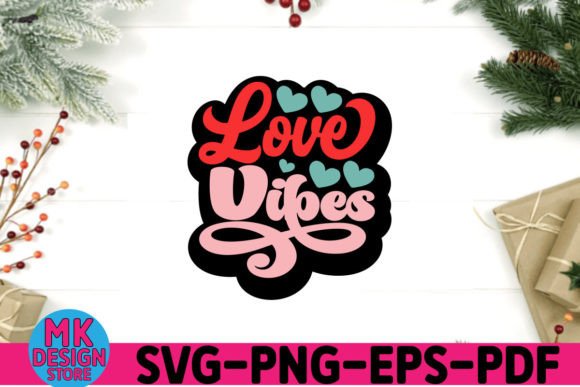
Love Vibes Retro Design Review
As a designer who spends more time than I care to admit staring at stitch charts and testing thread tension, I approach every new T-Shirt Designs submission with a healthy dose of skepticism. The market is flooded with graphics that look great on a screen but fall apart under the needle. That is why I take the time to evaluate these assets as if they were for my own boutique or a high-stakes client project. Today, I am putting Love Vibes, Retro Design through its paces. This piece falls squarely into the Graphics category, promising a nostalgic aesthetic that could easily translate into a best-selling item for an Etsy seller or a craft fair regular.
First Impressions: Mood and Visual Personality
The moment you open the zip folder containing this design, the vibe hits you. It isn’t just generic clip art; it has a distinct personality. The retro theme suggests warmth, nostalgia, and perhaps a touch of 70s-inspired whimsy. For an embroidery designer, the immediate question is always: "Will this read well when stitched?" From the high-resolution preview, the answer is a confident yes. The layout feels balanced, avoiding the cluttered look that often plagues text-heavy designs. It creates a mood that is inviting and cheerful, making it perfect for projects that need to convey affection or positivity without being overly sentimental.
The visual weight of the elements suggests it will hold up well on various mediums. It doesn’t scream for attention so much as it invites the viewer in. This subtlety is crucial for handmade products where you want the craftsmanship to shine alongside the artwork. Whether you are creating a personalized gift for a wedding or stocking your shop with small shop product inventory, this design strikes the right balance between trendy and timeless.
Real-World Application: Where Does It Fit?
I recently imagined using Love Vibes, Retro Design for a specific project: a line of custom embroidered tote bags for a local artisan market. Tote bags are a staple for any craft business, but they present unique challenges regarding fabric texture and surface area. Because this design features clean lines and a retro aesthetic, it would anchor a canvas tote beautifully. The contrast between the structured shape of the bag and the playful nature of the graphic creates a professional yet approachable look.
Beyond totes, this design is incredibly versatile. I see it thriving on sweatshirt embroidery projects, particularly for autumn collections or holiday-themed merchandise. The retro feel pairs naturally with cozy fabrics like fleece or heavy cotton blends. It also works exceptionally well for baby embroidery items, such as muslin blankets or bibs, where soft colors and gentle themes are preferred by parents. The design’s adaptability means it can serve as a tote bag design, a nursery decor piece, or even a decorative accent on a kitchen towel.
For those looking to expand their digital offerings, this asset makes for excellent printable mockup material. You can place the graphic on various backgrounds to create design assets that showcase potential uses to customers before they commit to a purchase. This versatility increases the perceived value of the digital embroidery file, appealing to creative entrepreneurs who want multiple revenue streams from a single purchase.
Technical Considerations and Stitch Clarity
When evaluating any machine embroidery design, technical execution is paramount. While I cannot verify the exact stitch count or internal digitization without the source file, the visual presentation offers strong clues about its quality. The design appears to rely heavily on clear shapes, which likely translates to efficient use of fill stitch areas. This is important for maintaining stitching speed and reducing thread breaks during production.
However, not all surfaces are created equal. If you plan to use this for embroidered patch applications or custom apparel like caps, you must consider the curvature of the surface. Curved surfaces like hats can distort flat designs, so testing on a scrap piece of similar material is non-negotiable. Additionally, be cautious with small details. If the design includes tiny lettering or intricate corners, ensure your hoop size is large enough to accommodate it without crowding. Small details can get lost in dense stitch areas, especially if the stitch density is too high for the chosen fabric.
Fabric choice plays a significant role in the final outcome. On stretchy fabrics, such as jersey knits used for t-shirts, the design may shift if not properly stabilized. Always use the correct stabilizer—cut-away for stretchy materials and tear-away for wovens—to maintain the integrity of the satins stitch outlines. Furthermore, consider the thread colors you choose. A retro design often benefits from muted or pastel tones, but ensure there is enough contrast against the base fabric. Dark fabrics may require an underlay or a lighter thread palette to make the design pop, while light fabrics allow for deeper, richer hues.
Where to Exercise Caution
While this design is robust, there are scenarios where it might struggle. Avoid using it on highly textured fabrics, such as heavy tweeds or bouclé, as the surface irregularities can disrupt the precision of the running stitch and other fine details. Thin fabrics may pucker if the design has large fill areas, so reinforce these with appropriate backing. Also, be mindful of products that require frequent washing, such as aprons or tea towels. Ensure the design is digitized with durable stitches that won’t fray or fade quickly after repeated laundering.
Impact on Brand and Customer Trust
In the world of handmade goods, presentation is everything. A well-executed embroidery project signals professionalism and care. Using a cohesive design like Love Vibes, Retro Design helps establish brand consistency across your product line. When customers see a unified aesthetic, they are more likely to trust the quality of the work and return for future purchases. The positive emotional response triggered by the "love" theme can enhance buyer engagement, making the item feel like a thoughtful gesture rather than just a commodity.
For commercial embroidery projects, this design’s clean lines and scalable nature make it a safe bet for bulk orders. It reduces the risk of errors during production because the shapes are distinct and less prone to tangling. This reliability is crucial for meeting deadlines and maintaining customer satisfaction. Moreover, the retro trend continues to gain traction, meaning this design has a good shelf life and is unlikely to feel outdated quickly.
Final Verdict and Practical Tips
Love Vibes, Retro Design is a solid addition to any designer’s library. It offers a blend of aesthetic appeal and practical usability that suits a wide range of embroidery project types. From holiday embroidery gifts to everyday handmade product essentials, it delivers on its promise of charm and clarity.
To ensure success, remember these key steps:
- Test First: Always stitch out a test version on scrap fabric to check for alignment and tension issues.
- Check Contrast: Evaluate how the design looks in black and white to ensure sufficient contrast between elements.
- Verify Licensing: Before selling finished items or digital products, confirm the license terms included in the zip folder.
- Match Stabilizers: Use stabilizers appropriate for the fabric type to prevent puckering or distortion.
- Inspect Details: Zoom in on the original files to ensure no critical details are too small for your machine’s capabilities.
By approaching this design with a critical eye and practical preparation, you can transform a simple graphic into a standout finished product that resonates with customers. Whether you are a seasoned pro or a hobbyist looking to elevate your crafts, Love Vibes, Retro Design provides the foundation for creating something truly special.