Merry and Bright Retro Christmas: A Designer’s Review
When I pull a new design file into my digitizing software, I am rarely looking for just another graphic. I am looking for something that will translate well from screen to stitch. As someone who has spent years evaluating Print Templates and Graphics for both personal hobby projects and commercial craft business inventory, I know the difference between a pretty picture and a viable embroidery project. Today, I am putting the "Merry and Bright Retro Christmas" design under the microscope to see if it holds up in real-world application.
The First Impression: Mood and Visual Personality
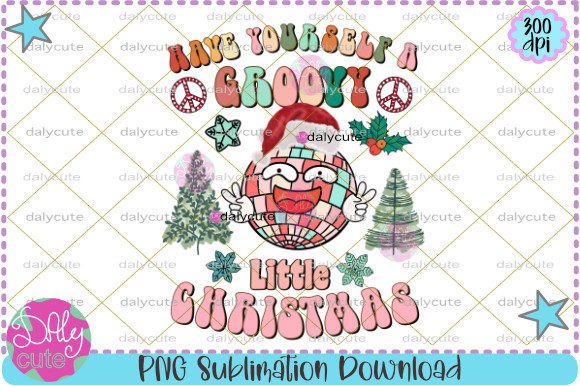
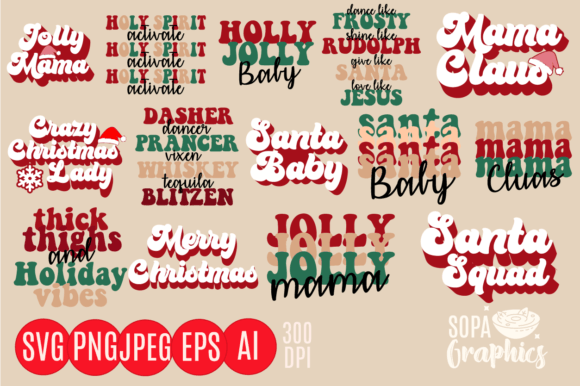
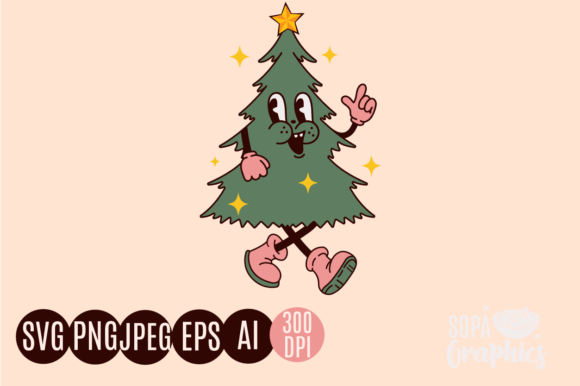
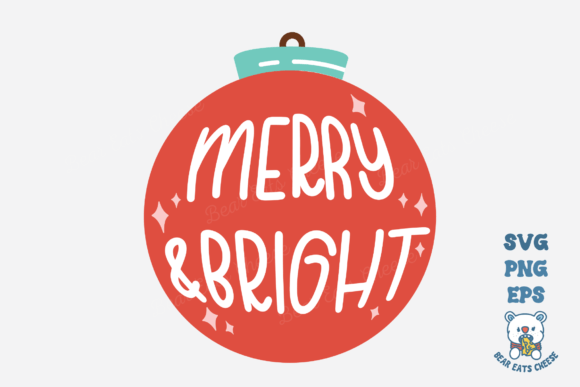
The moment you open the file, the retro aesthetic is immediately apparent. The title suggests a nostalgic holiday vibe, and visually, it delivers on that promise. In the world of holiday embroidery, trends cycle quickly, but retro styles tend to have a longer shelf life because they evoke warmth and tradition. This design feels crisp, clean, and intentionally stylized rather than cluttered.
From a layout perspective, the composition strikes a balance between decorative flair and readability. It doesn’t scream for attention with chaotic elements; instead, it offers a cohesive visual statement. For an Etsy seller or a boutique owner, this kind of clarity is crucial. Customers often make purchasing decisions based on how clear and appealing a product looks in a thumbnail image. A design that is too dense or confusing can lose its impact when scaled down for a digital preview. This one, however, retains its charm even at smaller sizes, making it an excellent candidate for printable mockups and social media marketing assets.
Real-World Application: Where Does It Shine?
I like to test designs by imagining specific end-products. If I were preparing a batch of custom gifts for the upcoming season, where would "Merry and Bright Retro Christmas" fit best? My immediate thought is high-visibility apparel and accessories. Specifically, this design excels on sweatshirt embroidery projects. The bold lines and classic theme pair perfectly with the texture of fleece or cotton blends often used for cozy winter wear.
Another strong contender is the tote bag design category. A canvas tote featuring this retro motif feels practical yet stylish, perfect for holiday market runs or as a personalized gift. The design’s structure likely handles the slight give of canvas fabric well, provided the correct stabilizer is used. Furthermore, its versatility extends to kitchen textiles. Imagine this stitched onto a tea towel or a quilted apron for a hostess gift. The retro theme complements farmhouse-style decor, which remains popular among handmade shoppers.
For those selling custom apparel, this design also works beautifully on baby clothes. The soft, nostalgic feel translates well to nursery decor and infant garments. Parents are often drawn to designs that feel timeless rather than trendy, and this retro Christmas theme hits that sweet spot. It creates a sense of heritage and family tradition, which adds emotional value to the handmade product.
Technical Considerations and Stitch Performance
While the visual appeal is strong, the true test lies in the stitching. As an experienced designer, I look at the implied stitch types. A design labeled as a sublimation template (often SVG/EPS/PNG) requires careful interpretation before it becomes a machine-ready digital embroidery file. If you are converting these vector files into stitches, you must pay close attention to stitch density.
Retro designs often rely on thick outlines and solid fills. If the satins stitch areas are too narrow, the thread may break or pucker. Conversely, if the fill stitch areas are too dense without adequate spacing, the fabric can become stiff and unmanageable, especially on delicate items like baby embroidery pieces. I recommend testing the design on scrap fabric first to ensure the thread colors provide enough contrast against your chosen background. Light threads on light fabrics or dark threads on dark backgrounds can obscure the intricate details of the retro style.
Another critical factor is the hoop size. While the source file indicates a 12x12 inch resolution, your actual embroidery hoop may be smaller. You might need to split the design or scale it down. When scaling, always check the smallest details. Tiny text or thin decorative accents can disappear if the design is reduced too much. I advise creating a black-and-white mockup to inspect the negative space and ensure the design remains legible after resizing.
Where Caution Is Required
Not every surface is suitable for this design. I would avoid using it on highly textured fabrics like heavy bouclé or loose-weave linen, as the needle penetration can cause distortion. Similarly, stretchy fabrics require a heavy-duty stabilizer to prevent puckering. Curved surfaces, such as embroidered patches for caps, demand precise tension control. If the design includes small lettering or fine lines, be wary of placing them near the edges of a curved cap, as the distortion may render the text unreadable.
Additionally, consider the washing durability. Designs with large fill areas can sometimes trap lint or show wear faster than simpler line-art designs. For products that will undergo frequent washing, like kitchen towels or work aprons, ensure the stitch quality is robust. Using the proper stabilizer is non-negotiable here; a tear-away stabilizer might not hold up during heavy use, whereas a cut-away stabilizer offers better longevity for permanent garments.
Impact on Brand and Customer Trust
In the competitive landscape of online marketplaces, presentation is everything. A well-executed commercial embroidery project signals professionalism. When a customer receives a personalized gift or a small shop product that features clean, precise stitching, their trust in your brand increases. Sloppy stitching, on the other hand, can undermine even the best design concept.
"Merry and Bright Retro Christmas" supports a professional image because its retro style allows for some artistic interpretation while maintaining structural integrity. It gives the maker room to experiment with thread colors—perhaps using metallic threads for highlights or variegated threads for a vintage touch—without losing the core identity of the design. This flexibility enhances brand consistency across different product lines, whether you are selling digital product sellers assets or physical goods.
Final Verdict for Makers and Sellers
Overall, "Merry and Bright Retro Christmas" is a versatile and aesthetically pleasing addition to any designer’s library. It bridges the gap between nostalgic charm and modern simplicity, making it suitable for a wide range of applications from apparel decorators to hobbyists. Its strong visual personality ensures it stands out in a crowded market, while its clean layout makes it technically manageable for most embroidery machines.
However, success depends on execution. Always verify the licensing terms before selling finished items. Confirm that you have the right to use the design for commercial purposes, especially if you are listing it on platforms like Etsy. Test thoroughly on your target fabric, adjust your tension settings, and choose your thread colors wisely. By paying attention to these details, you can transform this graphic into a high-quality finished product that customers will love.
If you are looking to expand your design assets with a reliable, festive option that appeals to a broad audience, this retro-themed design is a smart choice. It offers the potential for high perceived value, encouraging repeat business and positive reviews. Just remember: the design is only half the battle; your craftsmanship and attention to detail are what truly bring it to life.