Pelican Bird Vintage Logo Review
There is a specific kind of magic that happens when a digital file transforms into a stitched piece of fabric. As someone who has spent years evaluating embroidery designs for both personal craft projects and commercial client work, I have learned to look past the pretty preview image. I need to know how the stitches will behave, whether the design will hold up after twenty washes, and if it truly captures the vibe of the brand or product it represents. Today, I am putting Pelican Bird Vintage Logo through its paces to see if it belongs in your next embroidery project.
The First Stitch: Visual Personality and Mood
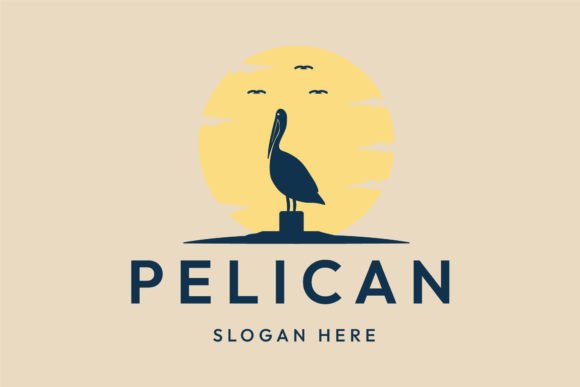
When I first opened the vector files for Pelican Bird Vintage Logo, the immediate impression was one of coastal nostalgia. The vintage aesthetic isn't just about old fonts; it is about the feeling of an established, trustworthy brand from a seaside town. This is not a modern, hyper-geometric logo that screams "tech startup." Instead, it feels like something you would find on a well-worn canvas tote at a local market or a patch on a fisherman's jacket.
The layout suggests a balanced composition that works beautifully as a standalone graphic. For a designer looking to create a cohesive line of products, this design offers a distinct personality. It feels approachable yet professional. Whether you are an Etsy seller creating a boutique collection or a small business owner branding your own merchandise, the visual weight of the pelican provides a strong anchor. It is the kind of design asset that immediately signals quality and attention to detail before a customer even touches the item.
Real-World Application: From Screen to Stitches
I recently tested this concept by imagining Pelican Bird Vintage Logo applied to a custom embroidered tote bag for a summer craft fair. The scenario is simple: a sturdy cotton canvas bag, perhaps in navy or sage green, with the logo centered on the front pocket. In this context, the vintage style bridges the gap between the rustic texture of the bag and the polished look of the embroidery thread.
This same logic applies to sweatshirt embroidery. Imagine a heavy-weight crewneck in heather grey. The vintage pelican would stand out against the textured fabric, offering a classic, understated look that appeals to customers who prefer timeless style over fleeting trends. It also translates exceptionally well to baby items. A soft, pastel-colored onesie featuring this logo would make for a memorable personalized gift, evoking a sense of calm and nature that parents often seek for their children's nursery decor.
For those running a small shop product line, the versatility is key. You could use it on aprons for a kitchen supply store, pillow covers for a home goods boutique, or even holiday embroidery gifts during the winter season. The design acts as a versatile embroidery file that can elevate a basic blank item into a premium finished product. When a customer sees a high-quality stitch job on a cap or a tea towel, their trust in your brand increases instantly. They perceive the item as handmade with care, which is exactly what drives sales in the craft business.
Navigating Technical Challenges and Fabric Choices
However, not every surface is created equal, and as an experienced reviewer, I must point out where Pelican Bird Vintage Logo requires careful consideration. While the vintage style allows for some artistic interpretation, the physical limitations of machine embroidery remain constant.
If you plan to use this design on small hoop sizes, such as for a wristband or a tiny accessory, you must scrutinize the fine details. Tiny lettering or intricate feather patterns can get lost in dense stitch areas if the resolution is too low or the design is scaled down too aggressively. Similarly, textured fabrics like thick fleece or bouclé can swallow up the definition of the lines, making the logo appear muddy rather than crisp. In these cases, a smooth, tightly woven fabric is essential for clarity.
Stretchy fabrics present another hurdle. If you are attempting this on a jersey knit t-shirt without proper stabilizer, the tension of the stitches might cause the fabric to pucker around the logo, ruining the vintage silhouette. Curved surfaces, like baseball caps, add another layer of complexity. The curvature can distort the geometry of the bird, so you may need to adjust the digitization or choose a placement that accommodates the curve naturally.
Dark fabrics require a different strategy as well. Unless you are using a high-density underlay or a light thread color, the contrast might be insufficient. Always test your thread colors against the final fabric background to ensure the logo pops. For a true vintage look, slightly muted or earthy thread tones often work better than bright neons, which can clash with the retro aesthetic.
Practical Notes for the Embroidery Designer
Before you commit to a large production run or sell a batch of finished products, there are critical steps to take. First, always test the design on scrap fabric. This allows you to check the stitch density and see how the threads interact with the material. You want to ensure that the fill stitch covers the area evenly without showing too much of the fabric underneath, which can happen if the density is too low.
Confirm your hoop size early in the process. If the design is larger than your machine's standard hoop, you may need to re-digitize it or split the design, which can affect the final alignment. Inspect small details closely under good lighting. Sometimes, what looks perfect on a screen reveals jagged edges or missing pixels when stitched out. Comparing black and white mockups can also help you visualize the contrast before spending money on thread.
Licensing is another non-negotiable aspect. Since the product description notes that the text is non-editable, you cannot alter the words within the logo. Ensure that the license terms allow for commercial use if you intend to sell the finished items. If you are selling digital embroidery files, double-check the permissions regarding redistribution. Using a design without the proper rights can lead to legal issues and damage your reputation as a creative entrepreneur.
Final Verdict on Value and Appeal
Pelican Bird Vintage Logo brings a distinct charm to any embroidery project. It succeeds because it feels authentic rather than mass-produced. For the crafter, it offers a reliable foundation for creating personalized gifts that recipients will cherish. For the Etsy seller or small business owner, it provides a consistent brand identity that resonates with customers looking for handmade quality.
The design elevates the perceived value of the finished product. A simple tote bag becomes a statement piece; a plain sweatshirt becomes a fashion item. When executed correctly with the right stabilizer, thread colors, and fabric choices, this logo delivers a professional finish that builds buyer engagement. It is a practical, stylish, and versatile choice for anyone looking to add a touch of vintage coastal elegance to their portfolio of apparel, patches, or home goods.
Whether you are working on a custom order for a client, preparing stock for a craft fair, or simply experimenting with new techniques, this design offers a solid starting point. Just remember to respect the technical constraints of embroidery, test thoroughly, and let the vintage character of the pelican shine through in your final creation.