Retro Nana Pastel Gender Reveal Review
As a designer who spends half my life staring at stitch charts and the other half troubleshooting thread jams, I don’t just look at an embroidery design; I look at its potential in the hoop. When Retro Nana Pastel Gender Reveal landed on my desk, I didn’t see it merely as a graphic file. I saw it as a future product waiting to happen. The title alone suggests a specific aesthetic—nostalgic, soft, and celebratory—but does it hold up when translated from screen to fabric? After running this concept through various mental mockups for real-world projects, here is my honest evaluation of how this design performs for crafters, Etsy sellers, and professional decorators.
The First Impression: Mood and Visual Personality
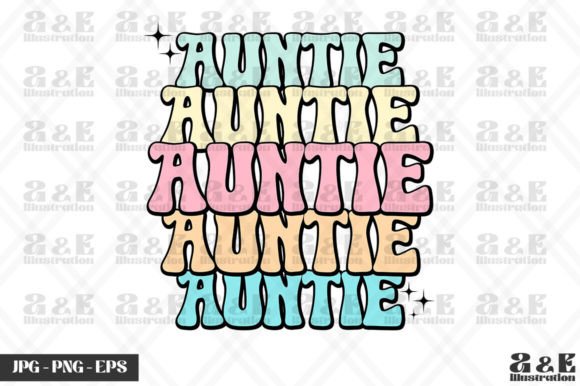
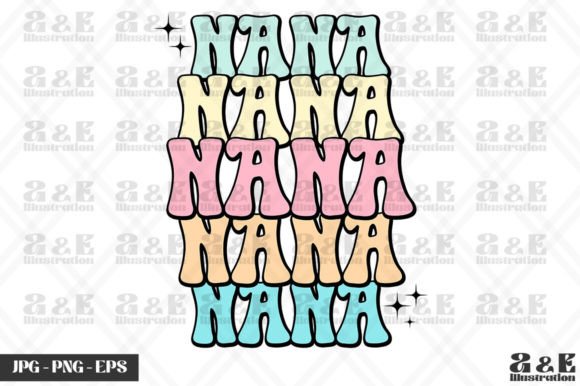
The immediate draw of Retro Nana Pastel Gender Reveal is its distinct vibe. It taps into that warm, vintage nostalgia while keeping things light and modern through its pastel palette. For a gender reveal, the tension between "retro" and "modern" is usually where designs fail, but this one strikes a balance. It feels like something you’d find in a curated boutique rather than a mass-produced big-box store item.
Visually, the layout appears designed for readability and charm. In embroidery, complexity can be the enemy of clarity. If a design has too many tiny details, it risks turning into a muddy mess after stitching. This design seems to prioritize clean shapes and legible text, which is crucial for phrases like "Nana." You want that word to pop, not get lost in a sea of decorative flourishes. The pastel theme suggests a softer approach to texture, meaning the design likely relies on smooth fills and clean outlines rather than aggressive, dense stitching that might pucker delicate fabrics.
Real-World Application: Where This Design Shines
I’ve been thinking about where Retro Nana Pastel Gender Reveal would actually sell or bring joy. The most obvious application is obviously baby-centric, but let’s dig deeper. This isn’t just a onesie design; it’s a gift-giving asset.
- Custom Apparel: Imagine this stitched onto a heather grey or soft pink sweatshirt for a grandmother-to-be. The retro font style pairs beautifully with heavyweight cotton blends often used in premium tees and hoodies. It elevates the garment from simple clothing to a keepsake piece.
- Tote Bags and Aprons: A canvas tote bag is a staple for new parents. Placing this design on the front pocket or center panel of a tote creates a functional yet sentimental accessory. Similarly, on a kitchen apron, it adds a personal touch that celebrates the upcoming role change.
- Baby Embroidery: Beyond standard onesies, think about burp cloths, swaddle blankets, or nursery wall hangings. The pastel colors are gentle on the eyes and fit perfectly within a neutral or soft-toned nursery theme.
- Embroidered Patches: If you offer patches as part of your T-Shirt Designs or accessory line, this concept works well as an iron-on or sew-on patch for denim jackets or backpacks, extending the life of the garment beyond infancy.
For the Etsy seller or small business owner, this design offers versatility. It fits neatly into categories like personalized gifts, holiday embroidery (if marketed around Mother’s Day or grandparents' birthdays), and commercial embroidery projects for local boutiques.
Technical Considerations and Stitching Reality
Here is where the rubber meets the road. As an experienced reviewer, I have to caution you against assuming every file translates perfectly without preparation. While the description notes that you receive a zip file with PNG, PDF, JPEG, and SVG formats, it explicitly states the SVG is not layered out. This is a critical detail for digital product sellers and those who need to customize thread colors.
Because the SVG is not layered, you may need to manually separate elements if you want to use different thread colors for the text versus the background graphics. For a machine embroidery design to look professional, color blocking is key. If the entire design stitches in one color, it will look flat. If you can split the layers, you can create contrast that makes the pastel tones sing.
When evaluating stitch density, keep in mind that pastels often hide texture less effectively than dark threads. If the design uses long runs of fill stitch, ensure your stabilizer is robust enough to prevent puckering, especially on stretchy knits like t-shirt material. For sweatshirt embroidery, a cut-away stabilizer is non-negotiable to maintain the shape over time. For lighter fabrics like muslin or thin cotton, a tear-away might suffice, but always test first.
Where to Use Caution
Not every surface is created equal. There are specific scenarios where Retro Nana Pastel Gender Reveal might struggle:
- Small Hoop Sizes: If the design includes intricate lettering or small decorative accents, shrinking it down to fit a 4x4 inch hoop might cause details to blur. Satin stitches on small letters can become jagged if the resolution is too low.
- Textured Fabrics: Bouclé wool, heavy tweed, or nubby linen can swallow up fine details. The smooth lines of a retro design need a relatively flat surface to show off its personality.
- Dark Fabric: Pastel threads have low opacity. Stitching light pink or baby blue onto black fabric will result in poor visibility unless you use a high-density underlay or white backing, which changes the hand feel of the fabric.
- Curved Surfaces: While caps are popular, placing a wide, rectangular composition on a curved brim or crown can distort the perspective. This design likely works best on flat panels like tote bags or the chest area of shirts.
Impact on Product Value and Customer Trust
In the world of handmade products, presentation is everything. A well-executed embroidery project signals quality. When a customer receives a personalized gift with crisp stitching and thoughtful color choices, their trust in your brand increases. They assume that if you cared about the thread tension, you care about the whole package.
This design supports brand consistency for shops that focus on family milestones. By offering items that celebrate roles like "Nana," you tap into an emotional market. Customers aren't just buying a shirt; they are buying recognition of their loved one's status. The retro aesthetic adds a layer of sophistication that appeals to millennials and Gen X buyers who appreciate vintage vibes but want modern comfort.
Furthermore, for digital product sellers, having a design that looks good in printable mockups is essential. Even if the buyer stitches it themselves, seeing a high-quality preview of how Retro Nana Pastel Gender Reveal looks on a finished product helps them visualize the end result, reducing returns and increasing conversion rates.
Final Verdict and Practical Next Steps
Retro Nana Pastel Gender Reveal is a strong contender for anyone looking to expand their catalog of family-oriented apparel and accessories. It balances nostalgia with modern sensibilities, making it broadly appealing. However, success lies in the execution.
Before you start mass-producing, follow these steps:
- Test on Scrap Fabric: Always run a sample on the exact fabric you plan to sell. Check for puckering, thread breaks, and color accuracy.
- Check Thread Contrast: Ensure your chosen thread colors provide enough contrast against your base fabric. Pastels require careful selection to avoid looking washed out.
- Review Licensing: Since you are receiving graphic files alongside embroidery assets, double-check the license terms. Confirm whether you can sell physical finished items using this design, especially if it is categorized under Graphics as well as T-Shirt Designs.
- Use Proper Stabilizer: Match your stabilizer to your fabric weight. Heavy stabilizers for heavy fabrics, light stabilizers for light fabrics.
If you handle these technical details with care, this design will not only stitch well but also resonate deeply with customers celebrating new beginnings. It is a versatile, emotionally resonant addition to any craft business inventory, perfect for creating memorable finished products that people will cherish.