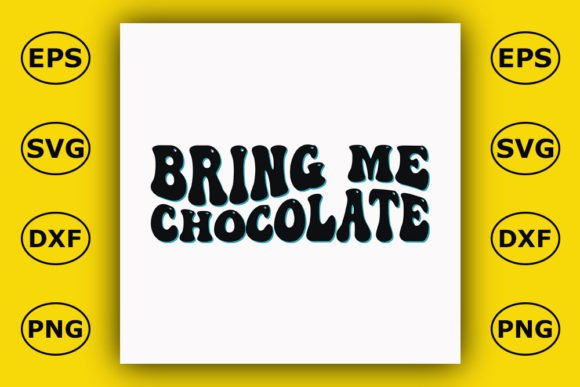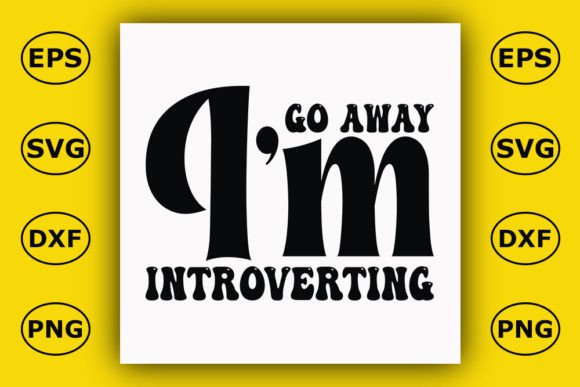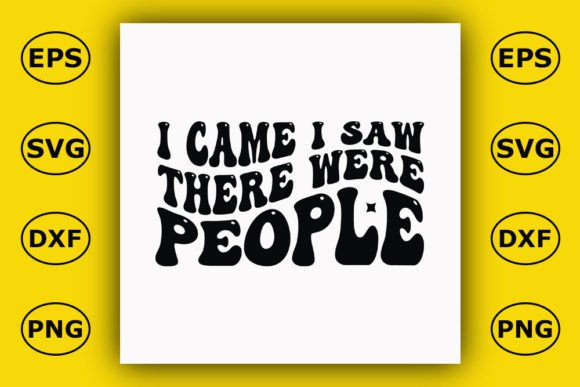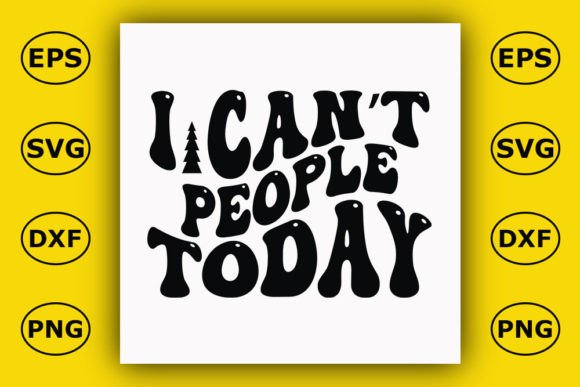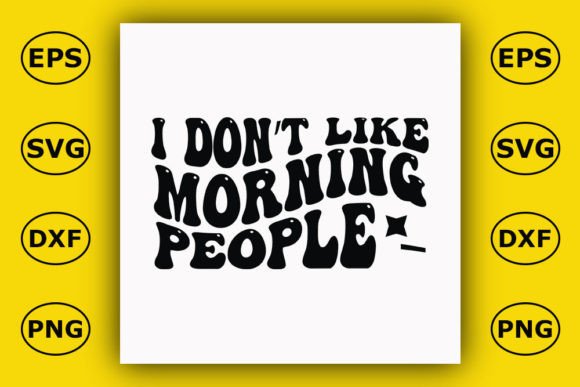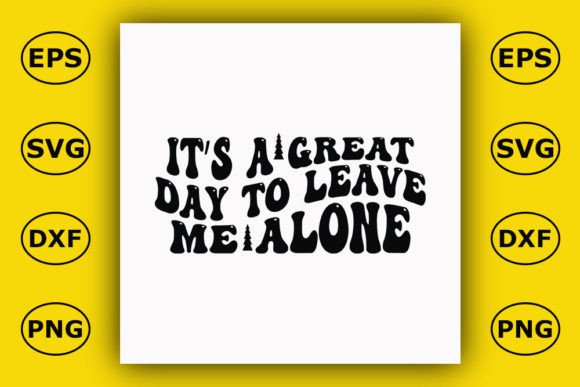
Retro Sassy T-shirt Design, It's a Great
As someone who has spent years stitching out custom apparel for clients and running a small shop on Etsy, I have learned that the difference between a "nice" design and a "sellable" one often comes down to execution. When I first saw Retro Sassy T-shirt Design, It's a Great, my immediate reaction wasn't about the file formats or the vector paths; it was about the attitude. The phrase "It's a great day to leave me alone" is a mood in itself, and translating that sassy energy into a physical stitch pattern requires careful consideration.
I decided to put this design through its paces before committing it to a final client order. My goal was to see how it would hold up as a real-world embroidery project rather than just a digital preview. Whether you are an experienced embroiderer or a crafter looking to expand your handmade product line, understanding the practical nuances of a design like this is crucial.
First Impressions: The Vibe and Visual Personality
The retro aesthetic immediately suggests warmth and nostalgia, but the text adds a layer of modern boundary-setting. In terms of layout, the design feels balanced enough to sit comfortably on a chest pocket or centered on a sweatshirt. However, the font style is critical here. If the lettering is too thin or the curves are too intricate, we risk losing clarity during the digitizing process.
For a tote bag design or a sweatshirt embroidery piece, the visual weight needs to be substantial. A retro vibe usually implies bold lines and perhaps some texture, which works well with fill stitches. But if the original Graphics provided rely heavily on tiny details or extremely fine serifs, the machine might struggle to pick them up cleanly. The first thing I looked for was the overall silhouette. Does the shape feel cohesive? Does the text curve naturally with the garment? With Retro Sassy T-shirt Design, It's a Great, the potential for a fun, personality-driven piece is high, but only if the digitizer respects the spacing between letters.
Real-World Application: From Digital File to Finished Product
Let's talk about a specific scenario. Imagine you are preparing a batch of custom embroidered tote bags for a local craft fair. You want something that stands out on a rack full of generic floral patterns. This design offers a unique hook because of its relatable humor. Customers don't just buy a bag; they buy the statement.
When I tested the concept on a scrap of canvas, the design held up surprisingly well. The retro style translates effectively to heavy-duty fabrics where durability matters. However, the same design applied to a baby onesie requires a completely different approach. For baby embroidery, the density must be lower to prevent stiffness, and the thread colors need to be softer. If the original file is too dense, it could make a soft cotton shirt feel like cardboard against a baby's skin.
I also considered using this for a holiday gift project. A personalized apron with this message could be a hilarious addition to a Christmas stocking list for a friend who loves cooking but hates being disturbed while prepping dinner. The key here is context. The design fits best on items that are meant for daily use or leisure, such as kitchen towels, aprons, or casual wear. It is less suitable for formal wear or delicate fabrics that require a minimalist touch.
Where Caution is Required: Fabric and Stitch Density
Not every surface is created equal, and Retro Sassy T-shirt Design, It's a Great is no exception. There are specific situations where this design might falter if not handled with care. For instance, attempting to stitch this on a curved surface like a baseball cap can be tricky. If the text is long or the curve is sharp, the registration might shift, causing the words to look distorted.
Another area to watch is small hoop sizes. If you are trying to fit this design onto a small patch or a narrow sleeve cuff, the details might get lost. Small lettering in a retro font can easily turn into a blob of thread if the stitch count is too low or the fabric pulls too much. Similarly, textured fabrics like bouclé or thick fleece can hide the definition of the design. On these materials, the contrast between the thread and the background becomes less distinct, making the "sassy" message harder to read.
Dark fabrics present another challenge. While the design files (SVG, PNG, EPS, DXF) allow for color manipulation, the actual thread choice determines the outcome. Using light thread on dark fabric without proper underlay can lead to poor coverage. Conversely, dark thread on a black shirt might disappear entirely unless there is a contrasting outline or a satin stitch border. Always test your thread colors against the final fabric shade before starting a production run.
Practical Notes for the Embroidery Designer
If you are planning to use this design for commercial embroidery or to create products for your Etsy seller shop, there are several technical steps you must take to ensure quality.
- Test on Scrap Fabric: Never go straight to the final product. Run the design on a scrap piece of the exact same material to check for puckering or thread breaks.
- Check Stabilizer Usage: Depending on the fabric weight, you may need a cut-away stabilizer for stability or a tear-away for lightweight knits. The wrong stabilizer can ruin the drape of the garment.
- Review Stitch Density: Look at the fill stitch areas. If the density is too high, the fabric will bunch up. If it is too low, the design will look sparse and unprofessional.
- Inspect Small Details: Zoom in on the running stitch and any decorative accents. Ensure that tiny corners are not getting lost in the machine's movement.
- Mockup Testing: Create a black and white mockup to see how the shapes interact without the distraction of color. This helps verify that the layout works even if the thread colors change.
It is also vital to confirm whether the embroidery file includes instructions for applique if you plan to add layers. Sometimes a simple text design looks better with a colored backing to give it depth. Additionally, always double-check the licensing terms. Just because you bought the digital embroidery file does not automatically mean you have the right to sell the finished items, though most designs intended for craft business use do allow this. Verify the license before listing your small shop product online.
Final Verdict on Value and Appeal
In conclusion, Retro Sassy T-shirt Design, It's a Great has the potential to be a standout piece in any collection of design assets. Its strength lies in its relatability and the clear, bold aesthetic that works well with the retro trend. When executed correctly, it adds a layer of personality that customers love, increasing the perceived value of your handmade product.
However, success depends on the skill of the operator and the suitability of the materials. By paying attention to hoop size, stitch density, and fabric selection, you can transform a simple digital graphic into a professional finished product that brings joy to the recipient. Whether it ends up on a pillow cover, a holiday gift, or a boutique brand's signature item, this design offers a versatile foundation for creative expression. Just remember to test, adjust, and trust your instincts when bringing this sassy vibe to life.