Retro Style Embroidery Design Review
As a designer who spends half my life staring at stitch maps and the other half trying to convince clients that embroidery isn’t just "old lady needlepoint," I approach every new file with a healthy dose of skepticism. We have all seen designs that look beautiful in a digital preview but turn into a tangled, dense mess once they hit the hoop. That is why I decided to put Retro Style through its paces. This isn’t just about whether it looks cool on a screen; it is about how it performs when you are stitching for real people, real gifts, and real commercial products.
First Impressions: The Mood and Visual Personality
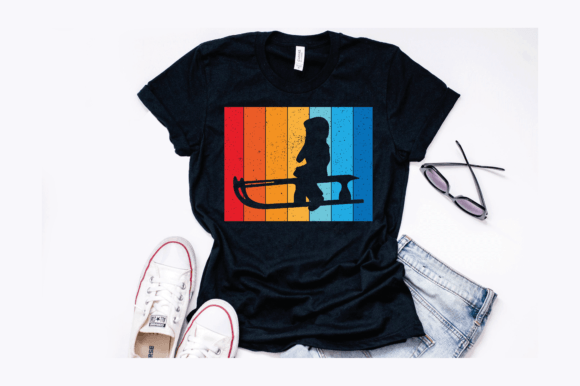
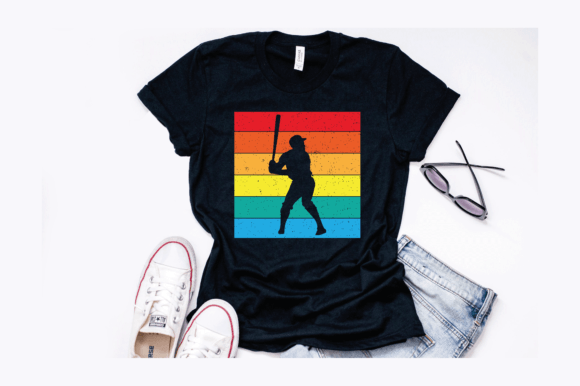
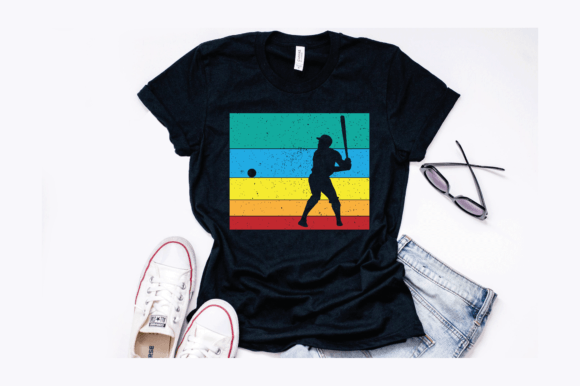
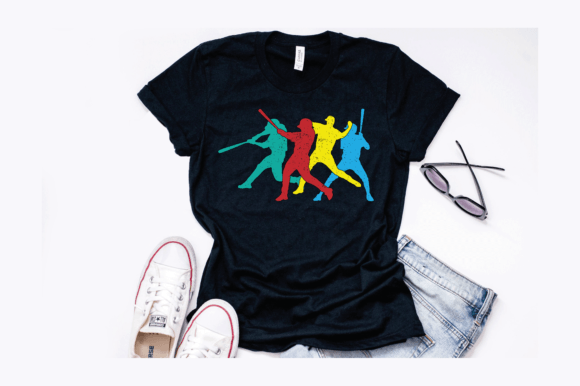
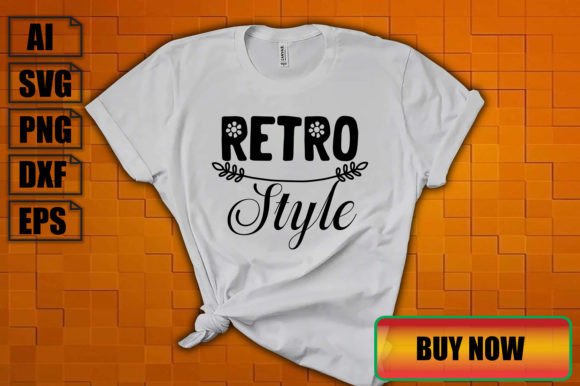
When you first load up the Retro Style design, the immediate takeaway is nostalgia without the clutter. In a market saturated with overly complex mandalas or generic floral patterns, this design cuts through the noise. It carries a specific visual weight—a vintage vibe that feels curated rather than chaotic. The shapes are clean, the lines are intentional, and there is a sense of balance that suggests this was made by someone who understands negative space.
For an embroidery project, this matters immensely. Retro aesthetics often rely on bold contrasts and simplified forms to work effectively. If a design is too intricate, it loses that punchy, mid-century modern appeal when translated into thread. Retro Style seems to nail this balance. It feels like it belongs on a well-worn denim jacket or a crisp canvas tote, evoking a sense of timeless coolness that appeals to a broad demographic. It doesn’t scream for attention; it whispers confidence. That is exactly the kind of energy that drives sales in handmade boutiques and Etsy shops.
Real-World Application: From Digital File to Finished Product
Let’s talk about where this design actually shines. I imagine Retro Style performing exceptionally well as a tote bag design. Canvas is a forgiving fabric, and the structured nature of a tote allows the design to sit flat and true. Whether you are creating custom gifts for teachers or branded merchandise for a small business, this design offers a professional finish that elevates the perceived value of the item.
I also see this working beautifully for sweatshirt embroidery. Think about fall collections or holiday gifts. A retro-themed graphic centered on the chest or placed slightly off-center on the back can transform a basic pullover into a statement piece. The design’s likely use of bold outlines would stand out nicely against heather grey or muted earth tones, which are staples in apparel decorating right now. It fits seamlessly into the world of custom apparel, bridging the gap between streetwear and classic Americana.
Beyond clothing, consider its potential as an embroidered patch. Patches require designs that hold their shape and don’t get lost in the border. If Retro Style has defined edges, it could be easily mounted onto backpacks, caps, or even kitchen aprons. For craft business owners looking to diversify their inventory, adding patches to your lineup is a low-cost, high-margin move, and this design provides a versatile asset for that purpose.
Where to Exercise Caution
No design is perfect for every scenario, and being honest about limitations is part of responsible reviewing. While Retro Style looks promising, you need to be strategic about where you place it. If you are working with textured fabrics like heavy waffle knits or boucle wool, the details might get swallowed up. The texture of the fabric competes with the texture of the stitches, leading to a muddy final result.
Similarly, avoid using this design on highly stretchy materials unless you are confident in your stabilization techniques. Stretchy knits can distort the geometry of a retro graphic, making straight lines curve and circles become ovals. If you are attempting this on a curved surface, such as a baseball cap, ensure the design scale is appropriate for the curvature. A design that works perfectly flat on a pillow cover might look distorted if not properly adapted for a cap.
Also, pay close attention to stitch density. If the design relies heavily on dense fill stitches, it may become stiff and uncomfortable to wear, especially on delicate garments. Conversely, if it relies too much on sparse running stitches, it might lack the visual impact needed to justify the time investment. Always check the internal structure of the file before committing to a production run.
Practical Designer Notes for Execution
Before you pop this file into your machine, there are several technical steps you must take to ensure success. First, always test the design on scrap fabric that matches the weight and weave of your final product. This is non-negotiable. You need to see how the threads interact with the specific material.
Consider your thread colors carefully. Retro styles often benefit from specific palettes—mustard yellows, burnt oranges, teal blues, or cream whites. Avoid neon threads unless you are going for a very specific, modern twist. The contrast between the thread and the fabric is crucial for readability. I recommend creating a black-and-white mockup of the design to check its legibility without the distraction of color.
Don’t forget about stabilizer. Depending on the fabric, you may need cut-away stabilizer for permanent support or tear-away for temporary backing. Using the wrong stabilizer can lead to puckering or shifting, ruining the crisp lines that make Retro Style appealing in the first place. Also, inspect the small details in the design. Are there tiny elements that might break during trimming? If so, you might need to adjust the digitizing or simplify the design slightly.
Final Verdict on Value and Appeal
From a business perspective, Retro Style hits a sweet spot. It taps into a trend that shows no signs of fading while remaining versatile enough for various applications. For Etsy sellers and small shop owners, this design offers a strong foundation for creating personalized gifts and holiday embroidery items. It has a giftability factor that is hard to beat; people love things that look thoughtful and stylish.
The inclusion of SVG and DXF files adds significant value, allowing you to use the design not just for embroidery but also for cutting vinyl or preparing printable mockups for your online store. This versatility makes it a smarter investment than a single-format file. However, remember to verify the licensing terms. Ensure you have the right to sell finished products created with this design, especially if you plan to list them on platforms like Etsy or Amazon Handmade.
In conclusion, Retro Style is a solid addition to any designer’s library. It balances aesthetic charm with practical usability. It respects the medium of embroidery while delivering a modern, nostalgic look that customers appreciate. Just remember to respect the fabric, choose your threads wisely, and always test before you commit. When executed correctly, this design can elevate your handmade products from simple crafts to desirable fashion accessories.